Rare U.S. Coins Worth More Than Gold: Gold has long been considered the ultimate standard of wealth, but rare coins often surpass its value. Collectors around the world are willing to pay extraordinary sums for coins that combine rarity, history, and artistry. In 2026, the market for rare U.S. coins remains strong, with certain treasures commanding prices far beyond their weight in gold. These coins are not only financial assets but also cultural artifacts that tell the story of America’s past.
The 1804 Silver Dollar
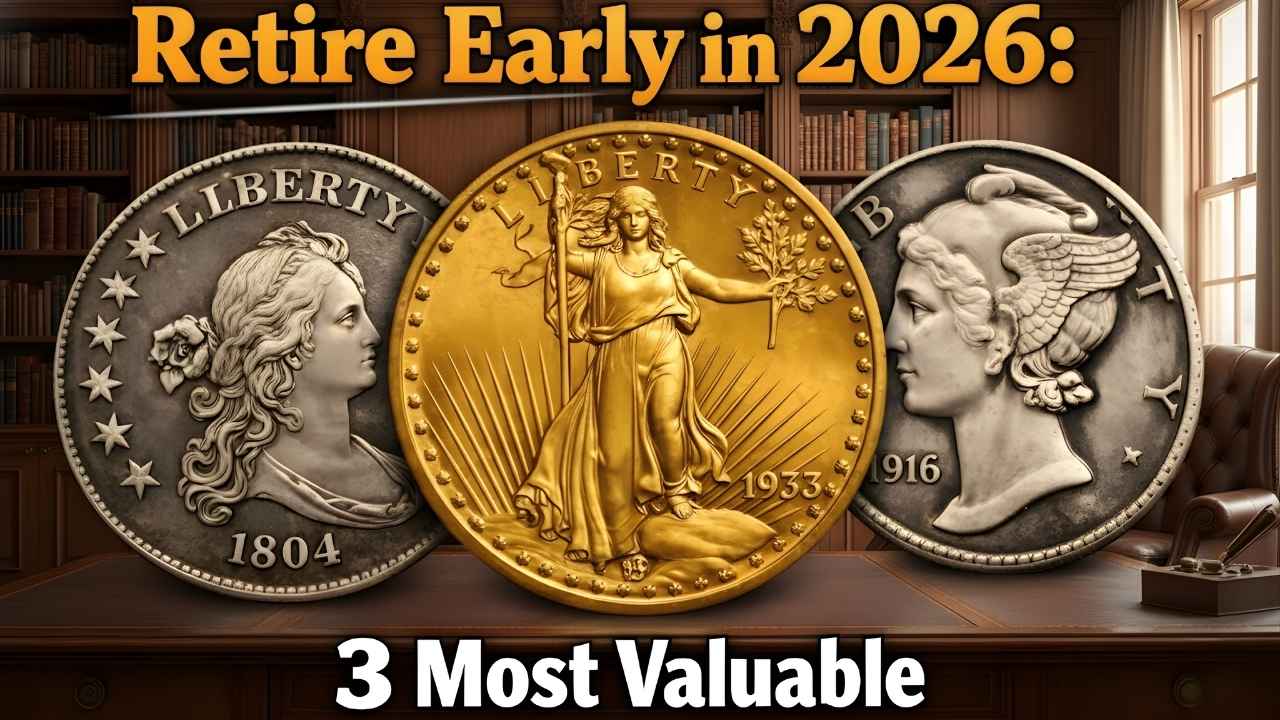
Known as the King of American Coins, the 1804 silver dollar is one of the most famous rarities in numismatics. Despite its date, none were actually struck in 1804. Instead, they were minted decades later as presentation pieces for diplomats. Only fifteen examples are known to exist, and each has sold for millions at auction. Collectors prize the coin for its beauty, rarity, and the mystery surrounding its creation. Owning an 1804 silver dollar is considered the pinnacle of coin collecting.

The 1913 Liberty Head Nickel
The 1913 Liberty Head nickel is another legendary coin. Only five are known to exist, and their origin remains shrouded in mystery. They were never officially authorized, yet somehow entered the numismatic world. Each example has a fascinating history, with some passing through the hands of famous collectors and even appearing in Hollywood films. In recent years, these nickels have sold for millions, making them more valuable than their weight in gold many times over.
The 1933 Double Eagle
The 1933 Double Eagle is a $20 gold coin that was never officially released into circulation. Most were melted down after President Franklin Roosevelt took the United States off the gold standard. A few escaped destruction, and their rarity has made them incredibly valuable. In 2002, one example sold for over seven million dollars, and values have continued to rise. The coin represents a turning point in American monetary history and remains one of the most coveted treasures in the world.

The 1794 Flowing Hair Dollar
The 1794 Flowing Hair dollar holds the distinction of being the first silver dollar issued by the United States Mint. Its design features Lady Liberty with flowing hair on the obverse and an eagle on the reverse. Because of its historical importance and rarity, the coin has achieved record prices at auction. In 2013, one example sold for over ten million dollars, setting a world record. Collectors view the coin as a symbol of America’s early independence and its fledgling economy.
The 1870-S Seated Liberty Dollar
The 1870-S Seated Liberty dollar is a coin surrounded by mystery. Official records show no examples were struck, yet a handful exist. These coins are believed to have been created for ceremonial purposes, possibly for the cornerstone of the San Francisco Mint. Their rarity and enigmatic history make them highly desirable. When they appear at auction, they command prices in the millions, far exceeding the value of their silver content.

Why These Coins Surpass Gold
Gold is valued for its scarcity and universal appeal, but rare coins combine intrinsic value with historical significance. Each coin tells a story about the era in which it was minted, the people who used it, and the events that shaped its existence. Collectors are not just buying metal; they are buying history, artistry, and prestige. This combination makes rare coins more valuable than gold, both financially and culturally.
The Role of Auctions
Major auction houses play a crucial role in establishing the value of rare coins. When a legendary coin appears at auction, collectors from around the world compete to own it. The bidding wars often drive prices to record levels, setting benchmarks for the market. Auctions also provide transparency, allowing collectors to see how values evolve over time. For many, the thrill of bidding is as exciting as owning the coin itself.

Condition and Grading
The condition of a coin is critical in determining its value. Professional grading services evaluate coins and assign grades based on factors such as wear, luster, and strike quality. A rare coin in pristine condition can be worth exponentially more than the same coin in poor condition. Collectors invest in protective cases and careful storage to preserve their treasures. Maintaining condition is essential to maximizing value and ensuring coins remain desirable for future generations.
Investment Potential
Rare coins are not only collectibles but also investments. Their values have consistently risen over time, often outpacing traditional assets. While gold fluctuates with global markets, rare coins maintain strong demand due to their limited supply and historical importance. Investors who diversify into rare coins gain both financial security and cultural enrichment. However, success requires knowledge, patience, and careful selection.

Stories of Extraordinary Discoveries
The world of rare coins is filled with stories of unexpected finds. A coin discovered in an old collection or inherited from a relative can turn out to be worth millions. These tales inspire collectors and remind them that treasures may still be hidden in plain sight. The possibility of discovering a rare coin adds excitement to the hobby and keeps collectors searching.
Preserving America’s Heritage
Rare coins are more than financial assets; they are pieces of America’s heritage. They reflect the nation’s growth, struggles, and triumphs. Preserving these coins ensures that future generations can appreciate their historical significance. Museums, private collectors, and institutions play vital roles in safeguarding these treasures. Each coin serves as a tangible link to the past, connecting people to the story of America.

The Future of Rare Coins
As technology advances, the chances of minting errors decrease, making modern rarities even more valuable. At the same time, interest in coin collecting continues to grow worldwide. This combination suggests that rare coins will remain highly sought after in the future. Collectors who invest today may find their treasures appreciating significantly over the years. The market for rare coins shows no signs of slowing down.
Conclusion
Rare U.S. coins worth more than gold represent the perfect blend of history, artistry, and scarcity. From the 1804 silver dollar to the 1933 Double Eagle, these treasures have captivated collectors and investors alike. Their values, often reaching millions, surpass the worth of gold many times over. For those who seek both financial reward and cultural enrichment, rare coins offer an unparalleled opportunity. In 2026, the fascination with these coins remains as strong as ever, reminding us that true wealth lies not only in precious metals but also in the stories they carry.