Rare Roosevelt Dimes 2026: The Roosevelt dime, first introduced in 1946, is one of the most enduring and widely circulated coins in American history. While the design has remained largely the same since its inception, certain years, mint marks, and variations of the Roosevelt dime have become highly prized by collectors. As we move into 2026, the demand for rare Roosevelt dimes continues to grow, with specific coins reaching impressive values. In this article, we’ll explore which Roosevelt dimes are the most sought after, how the market for these coins is evolving, and provide a comprehensive value chart to help collectors navigate the world of Roosevelt dimes.
A Brief Overview of the Roosevelt Dime
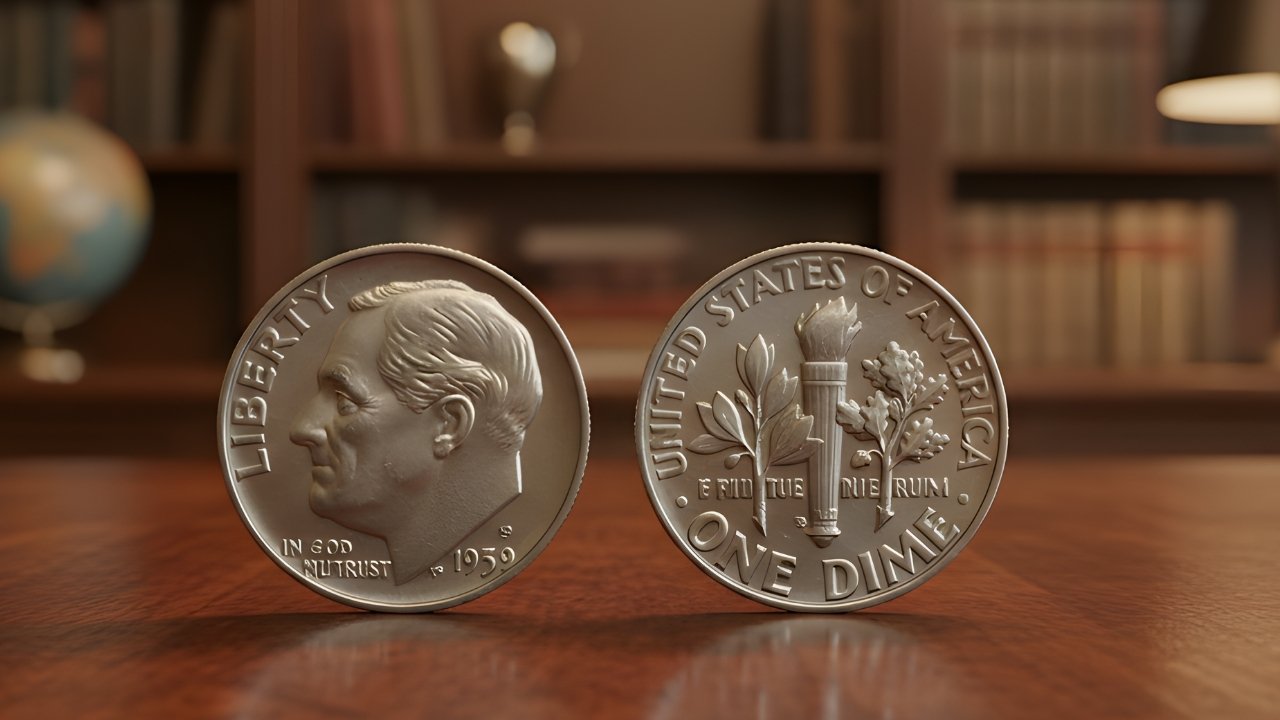
The Roosevelt dime was introduced in 1946 to honor President Franklin D. Roosevelt, who passed away the previous year. Designed by John R. Sinnock, the coin features a portrait of Roosevelt on the obverse, while the reverse features a torch, an olive branch, and an oak branch, symbolizing liberty, peace, and strength. The coin was first minted in 90% silver and remained that way until 1964, when the composition changed to a copper-nickel blend due to rising silver prices.

The Roosevelt dime has been produced annually by the U.S. Mint and remains a standard part of American coinage. While most dimes are relatively easy to obtain, certain years, mint marks, and variations have become highly valuable to collectors. These rare Roosevelt dimes can fetch high prices, especially when they are in pristine condition or feature unique characteristics.
Factors Affecting the Value of Roosevelt Dimes
Several factors contribute to the value of a Roosevelt dime. Understanding these factors is essential for anyone looking to collect or sell these coins. Below are the primary elements that determine the worth of a Roosevelt dime:
1. Mintage Numbers
One of the biggest factors influencing the value of a Roosevelt dime is the mintage numbers for a given year. In general, coins with lower mintage numbers tend to be more valuable because they are harder to find. The U.S. Mint often produces large quantities of coins each year, but certain years saw smaller mintages, which directly impacts their rarity and value.
2. Mint Marks
The mint mark on a coin indicates where it was produced. Roosevelt dimes were minted at several U.S. mints, including the Philadelphia Mint (no mint mark), the Denver Mint (D), and the San Francisco Mint (S). Some mint marks are rarer than others, especially those from the San Francisco Mint, which produced fewer coins for circulation, as well as proof coins that were made specifically for collectors. Coins with certain mint marks or from specific mints are often more sought after by collectors.

3. Condition and Grading
The condition of the coin plays a significant role in determining its value. Coins are graded based on their appearance, with higher grades indicating better condition. The grading scale typically ranges from “Poor” (P-1) to “Mint State” (MS-70), with coins in higher grades fetching considerably higher prices. For collectors, Roosevelt dimes in grades of MS-65 or higher are particularly valuable, as they represent coins that have been well-preserved and are often free from major wear and damage.
4. Special Varieties and Errors
Like many coins, Roosevelt dimes sometimes feature unique errors or varieties, which can significantly increase their value. For example, dimes with incorrect minting details, such as doubled dies, off-center strikes, or other anomalies, are highly sought after by collectors who specialize in error coins. These rare varieties can command premium prices at auctions, especially when they are in excellent condition.

Roosevelt Dime Value Chart – 2026 Edition
The following value chart outlines the approximate value of various Roosevelt dimes, including key years, mint marks, and grades. These values are based on the current market for 2026, but it’s important to note that coin values can fluctuate over time based on supply and demand, as well as changes in the overall numismatic market.
1946 Roosevelt Dime
- Mint Mark: No Mint Mark (Philadelphia)
- Good (G-4): $4
- Fine (F-12): $10
- MS-65: $150
- Mint Mark: D (Denver)
- Good (G-4): $4.50
- Fine (F-12): $12
- MS-65: $160
- Mint Mark: S (San Francisco)
- Good (G-4): $5
- Fine (F-12): $15
- MS-65: $200
The 1946 Roosevelt dime is considered one of the most important coins in the series, as it was the first year of issue. Coins in uncirculated condition, particularly those with the “S” mint mark, are especially valuable to collectors.

1950 Roosevelt Dime
- Mint Mark: No Mint Mark (Philadelphia)
- Good (G-4): $5
- Fine (F-12): $15
- MS-65: $200
- Mint Mark: D (Denver)
- Good (G-4): $6
- Fine (F-12): $18
- MS-65: $220
- Mint Mark: S (San Francisco)
- Good (G-4): $7
- Fine (F-12): $20
- MS-65: $250
The 1950 Roosevelt dime, while not as rare as some other dates, is highly valued in high grades, particularly in MS-65 or higher. The “S” mint mark examples are particularly sought after by collectors.
1964 Roosevelt Dime (Silver Composition)
- Mint Mark: No Mint Mark (Philadelphia)
- Good (G-4): $2
- Fine (F-12): $3
- MS-65: $25
- Mint Mark: D (Denver)
- Good (G-4): $2.50
- Fine (F-12): $3.50
- MS-65: $30
- Mint Mark: S (San Francisco)
- Good (G-4): $3
- Fine (F-12): $4
- MS-65: $35
The 1964 Roosevelt dime is notable for being the last year of issue in 90% silver before the change in composition to copper-nickel. Due to its silver content, it holds a special place among collectors and is worth more than later, non-silver dimes.

1996 Roosevelt Dime (Wider Font Variety)
- Mint Mark: No Mint Mark (Philadelphia)
- Good (G-4): $1.50
- Fine (F-12): $3
- MS-65: $50
- Mint Mark: D (Denver)
- Good (G-4): $2
- Fine (F-12): $4
- MS-65: $55
The 1996 Roosevelt dime is famous for a unique variety known as the “Wider Font” variety, where the letters on the coin’s reverse are slightly wider than usual. This variety is highly prized by collectors and can command a significant premium in higher grades.
2020 Roosevelt Dime
- Mint Mark: No Mint Mark (Philadelphia)
- Good (G-4): $1
- Fine (F-12): $2
- MS-65: $7
- Mint Mark: D (Denver)
- Good (G-4): $1.25
- Fine (F-12): $2.25
- MS-65: $8
- Mint Mark: S (San Francisco)
- Good (G-4): $1.50
- Fine (F-12): $3
- MS-65: $10
The 2020 Roosevelt dime, while relatively recent, is still sought after by collectors, particularly in mint state. The San Francisco mint marks, especially in proof condition, are often valued more due to their limited production.

Tips for Collecting Roosevelt Dimes
If you’re looking to start or expand your Roosevelt dime collection, here are some helpful tips to keep in mind:
- Focus on Key Dates: The most valuable Roosevelt dimes are often from key years like 1946, 1950, and 1964. Be sure to look for these dates when building your collection.
- Look for High-Grade Coins: Coins in high grades, especially MS-65 or higher, are worth significantly more. Pay close attention to the coin’s condition, as small imperfections can impact its value.
- Check for Varieties and Errors: Varieties, such as the 1996 “Wider Font” and other unique minting errors, can increase the value of a coin. If you come across a coin that seems unusual, it could be a valuable find.
- Research Mint Marks and Proof Coins: Mint marks from certain locations, such as San Francisco, are often more valuable. Proof coins, in particular, are highly sought after and can command high prices in excellent condition.
Conclusion
The Roosevelt dime series offers a rich and rewarding experience for collectors, with many rare and valuable coins waiting to be discovered. From the first year of issue in 1946 to the more recent 2020 releases, Roosevelt dimes continue to hold significant value in the world of numismatics. By understanding the factors that determine a coin’s